Roof Replacement – Urban Shield Roofing https://urbanshieldroof.com Your Home Fully Protected Fri, 24 Apr 2026 00:02:36 +0000 en-US hourly 1 /wp-content/uploads/2025/10/cropped-urban-sheild-favicon-32x32.png Roof Replacement – Urban Shield Roofing https://urbanshieldroof.com 32 32 How Long Does a Roof Last in Indiana? - Urban Shield Roofing /blog/how-long-does-a-roof-last/ Thu, 23 Apr 2026 23:59:26 +0000 /?p=2880

“How long does a roof last?” is one of the most common questions homeowners ask before a roof replacement or after a major storm. In Indiana, where seasonal weather swings from humid summers to icy winters, the answer depends on several factors: the roofing material you choose, how well the roof is maintained, and how well it was installed in the first place. 

This guide breaks down realistic lifespan expectations for the most common roofing materials used in Bloomington and Monroe County, along with the key factors that can shorten or extend your roof’s life.

Table of Contents

Average Roof Lifespans by Material

Not all roofing materials age the same way, and understanding the difference can help you plan your next replacement well in advance.

Asphalt Shingles

Asphalt shingle roofing is the most popular roofing material in Indiana and across the country, largely because they offer a solid balance of affordability and durability. There are three main types, and each carries a different lifespan expectation:

  • 3-Tab Asphalt Shingles: The most basic option, typically lasting 15 to 20 years. These are thinner and less resistant to wind and impact than premium alternatives.
  • Architectural (Dimensional) Shingles: A significant upgrade from 3-tab, these shingles generally last 25 to 30 years and hold up better against Indiana’s variable weather.
  • Premium (Luxury) Asphalt Shingles: Designed to mimic the look of slate or wood shake, premium shingles can last 30 to 40 years when properly installed and maintained.
  • Impact Resistant (IR) Shingles: Built to withstand hail and high winds, IR shingles are an excellent investment for Bloomington homeowners who deal with spring and summer storm seasons. Lifespans are comparable to architectural shingles, though they often perform better over time due to their reinforced construction.

Metal Roofing

Metal roofing has grown significantly in popularity for both residential and commercial properties in Indiana, and for good reason. A properly installed metal roof can last 40 to 70 years, making it one of the longest-lasting options on the market.

  • Standing-Seam Metal Roofing: The premium option within the metal category. With concealed fasteners and a sleek, continuous panel design, standing-seam roofs are highly resistant to leaks and can last 50 years or more.
  • Exposed Fastener Metal Roofing: A more cost-accessible metal option. It performs well and lasts 30 to 45 years, though the exposed screws may require periodic inspection to prevent moisture infiltration over time.

How Long Does a Roof Last? Key Factors That Affect Lifespan

Material type gives you a baseline, but it is not the whole story. Several variables will determine whether your roof reaches the high end of its expected lifespan or falls short of it.

How Long Does a Roof Last Based on Climate and Weather Exposure?

Indiana weather is not gentle. Bloomington and Monroe County homeowners contend with spring hailstorms, high winds, heavy rain, ice dams in winter, and significant temperature fluctuations throughout the year. Each of these stressors accelerates the natural aging of roofing materials. Impact-resistant shingles and metal roofing tend to hold up best in this climate over the long term.

How Long Does a Roof Last Based on Installation Quality?

Even the highest-quality materials will underperform if they are not installed correctly. Poor nailing patterns, inadequate underlayment, improper flashing around chimneys or skylights, and insufficient ventilation can all cut years off a roof’s lifespan. This is one of the most important reasons to work with experienced, professional installers rather than the lowest bidder.

How Long Does a Roof Last Based on Attic Ventilation and Insulation?

A roof does not work in isolation. Without proper attic ventilation, heat and moisture build up underneath the roof deck and degrade shingles from the inside out. Poor insulation compounds this problem in winter by contributing to ice dam formation along eaves. If your attic is under-insulated, addressing that issue alongside your roofing project protects your investment long-term.

How Long Does a Roof Last Based on Maintenance and Inspections?

Roofs that receive regular inspections and prompt minor roof repairs consistently outlast roofs that are ignored until a major problem develops. Small issues like cracked caulking around flashing, a few missing shingles, or minor granule loss are inexpensive to fix. Left unaddressed, they allow water to infiltrate the roof deck and accelerate deterioration significantly.

Learn how to tell if you can fix minor roof repairs or if it’s time for a total roof replacement here: Roof Repair vs Replacement: How to Decide What’s Right

Signs Your Indiana Roof May Be Nearing the End of Its Lifespan

Even if you are not sure how old your roof is, certain warning signs indicate that replacement may be approaching:

  • Shingles that are curling, cupping, or visibly cracked
  • Excessive granule loss in gutters or downspouts
  • Visible daylight in the attic or sagging roof sections
  • Persistent leaks or water stains on interior ceilings after rain
  • A roof that is 20 or more years old with no known replacement history

If your roof shows multiple signs from this list, a professional inspection is the right next step before a minor issue becomes a major repair bill.

Learn more about common signs that you may need a full roof replacement here: 5 Warning Signs You Need a New Roof in Bloomington, IN

How to Extend the Life of Your Bloomington Roof

You cannot control Indiana’s weather, but you can take steps to protect your roof’s longevity:

  • Schedule a professional roof inspection at least once a year, ideally in the spring after storm season or in the fall before winter sets in
  • Keep gutters clean and free-flowing to prevent water backup along the roofline
  • Trim overhanging tree branches that can scrape shingles or deposit debris on the roof
  • Address minor repairs quickly rather than waiting for visible interior damage
  • Make sure your attic has adequate ventilation and insulation before or during a roof replacement

Ready for a Roof Inspection or Replacement in Bloomington?

Urban Shield Roofing has served homeowners across Bloomington, Monroe County, and the broader Indiana region for 30+ years. We offer free estimates within 24 hours and back our work with a 10-year workmanship warranty, plus manufacturer warranties up to 50 years on Atlas shingles and 40 years on metal roofing. Military members, first responders, essential workers, and seniors receive a 10% discount on all services. Contact us today to schedule your free estimate.

]]>
What Is Included in Roof Replacement Estimates? - Urban Shield Roofing /blog/what-is-included-in-roof-replacement/ Thu, 12 Mar 2026 12:58:03 +0000 /?p=2743

Most homeowners don’t realize that a roofing estimate should function more like a contract than a quote. Every line item reflects a specific material, labor task, or project cost, and anything left vague or missing is a potential gap in protection. Knowing what to look for puts you in control before the first nail is driven.

Table of Contents

What Is Included in Roof Replacement Estimates? A Line-by-Line Breakdown

When homeowners start collecting bids for a new roof, the numbers can feel overwhelming fast. Understanding what is included in roof replacement estimates is the key to comparing bids accurately, avoiding surprise charges, and making sure you’re getting honest value for one of the biggest investments your home will ever need. A solid estimate isn’t just a price. It’s a full picture of the project from start to finish.

Here’s a line-by-line look at every major cost category you should expect to see when getting a roof replacement.

Core Roofing Materials

Asphalt Shingles

Asphalt shingles are the most visible item in any roofing estimate and are typically priced per square, which equals 100 square feet of roof surface. The product type makes a significant difference in cost and longevity.

  • 3-tab asphalt shingles: The most budget-friendly option with a shorter expected lifespan
  • Architectural/dimensional shingles: The most popular choice, offering a 30+ year lifespan and better curb appeal
  • Impact-resistant shingles: A premium option that may qualify homeowners for insurance discounts
  • Metal, slate, or tile: The highest upfront cost but also the longest lifespan

A detailed estimate should specify the shingle brand, product name, color, and total number of squares being installed. Vague line items like “asphalt shingles” without further detail are worth questioning.

Roofing Underlayment

Underlayment is the moisture barrier that sits between the roof deck and the shingles. Standard felt underlayment is the more affordable option, while synthetic underlayment costs more but provides better durability and water resistance. A reputable estimate will name the specific product being used rather than listing a generic material type.

Roof Decking Repairs

Rotted or damaged decking boards must be replaced before new shingles can be properly installed. Most contractors include a per-sheet rate for any decking replacement needed. 

Because the full extent of damage often isn’t visible until tear-off begins, this line item may be listed as an estimate. Before signing, ask how your contractor communicates and handles additional decking costs discovered mid-project.

What Is Included for Flashing and Ventilation?

Roof Flashing

Flashing is the metal material installed around chimneys, skylights, walls, and roof valleys to prevent water intrusion. Your estimate should clearly state whether existing flashing is being reused or fully replaced. 

Old or poorly installed flashing is one of the most common causes of roof leaks, and most experienced contractors will recommend replacing it entirely during a full roof replacement.

Proper Attic Ventilation

Proper attic ventilation protects against heat buildup, moisture damage, and premature shingle deterioration. Your estimate should specify the type of ventilation included in the scope, whether that is ridge vents, box vents, or soffit vent improvements. 

This line item is sometimes left out of lower-cost bids and worth confirming upfront.

Drip Edge Installation

Drip edge is a metal strip installed along the edges of the roof that directs water away from the fascia board and into the gutters. It is required by most building codes and should be present in any thorough estimate. If it is missing, ask why.

Roof Replacement Labor Costs

Labor is typically one of the largest costs in any roofing estimate. It should cover the full tear-off of the existing roof, installation of all new materials, and site cleanup at the end of the job. Some contractors bundle labor into a per-square rate, while others list it as a separate line item.

Before signing, confirm the answers to these questions:

  • Is tear-off included or billed as an additional charge?
  • How many layers of existing roofing are covered under the quoted price?
  • Is there an upcharge for steep slopes or difficult roof access?

A contractor who is vague about labor or bundles it without explanation is worth pressing for more detail.

Learn more about how labor adds to overall roofing costs in our “What Is the Cost to Replace a Roof in Bloomington, Indiana?” blog.

Roofing Permits and Inspections

Most local jurisdictions require a permit for a full roof replacement. Permit costs vary depending on location but should always be reflected in the estimate. Some contractors pull permits themselves and include the cost directly. 

Others pass the fee to the homeowner separately. Either approach is acceptable, but the cost needs to be accounted for somewhere in the bid. Skipping permits can create complications during home sales or roof insurance claims down the line.

Material and Debris Cleanup and Disposal

A full roof replacement produces a significant amount of debris. The cost of a dump trailer or dumpster and haul-away fees for all old roofing materials should be clearly included in the estimate. This is a line item that sometimes disappears from low-cost bids, which is how unexpected charges surface after the job wraps up.

Additional Items to Watch For

Depending on the condition and complexity of your roof, you may also see the following in a complete estimate:

  • Ice and water shield: A self-adhering waterproof membrane typically installed in valleys, along eaves, and around penetrations in cold or wet climates
  • Pipe boots and collars: Rubber or metal seals installed around plumbing vents
  • Ridge cap shingles: Sometimes listed separately from field shingles
  • Skylight resealing or flashing kits: Flashing or sealant work around existing skylights to prevent water intrusion at the opening
  • Chimney cap replacement or mortar repointing: Protective cap or mortar repairs that seal the top of the chimney and prevent water from entering the flue

Always ask whether these items are included or excluded. Getting clarity before work begins protects you from disagreements after the invoice arrives.

Roof Repair vs. Full Replacement: How to Know Which One You Need

Before diving into replacement estimates, it helps to confirm that a full replacement is actually the right call. In some cases, a targeted roof repair can resolve the problem at a fraction of the cost. In others, patching a failing roof only delays the inevitable and costs more in the long run.

Signs a Repair May Be Enough

  • Damage is isolated to a small, specific area such as a few missing shingles or a single flashing failure
  • The roof is relatively new and the surrounding materials are still in good condition
  • There is no widespread granule loss, sagging, or signs of systemic aging

Signs a Full Replacement Makes More Sense

  • The roof is approaching or past its expected lifespan (typically 20 to 25 years for asphalt shingles)
  • You are seeing widespread granule loss, curling, or cracking across multiple areas of the roof
  • There have been multiple repairs in recent years with leaks continuing to reappear
  • A storm caused damage significant enough to affect a large portion of the roof surface
  • The decking beneath the shingles shows signs of rot, soft spots, or structural compromise

When in doubt, a professional inspection will give you a clear picture. A trustworthy contractor will tell you honestly whether a roof repair or a roof replacement is the smarter long-term investment.

How to Compare Roof Estimates the Right Way

Since not all contractors format their estimates the same way, comparing bids on price alone is a reliable way to make a costly mistake. Instead, look at whether the same shingle brand and product line is being quoted across bids, whether labor, tear-off, and disposal are each itemized, whether permits are included, and what warranty is being offered on both materials and workmanship.

A lower number at the bottom of an estimate is not always a better deal. A bid that is missing several of the categories above almost always means those costs will appear later, or the work simply will not get done.

Get a Transparent, Line-by-Line Roof Replacement Estimate Today

You deserve to know exactly what you’re paying for before any work begins. At Urban Shield Roofing, we provide detailed, no-surprise estimates that break down every material, labor cost, and line item so you can make a confident decision.

Call us today to schedule your free roof replacement estimate.

]]>
How to Negotiate Roof Replacement with Insurance in 6 Steps - Urban Shield Roofing /blog/how-to-negotiate-roof-replacement-with-insurance/ Tue, 10 Mar 2026 20:54:13 +0000 /?p=2722

Knowing how to negotiate roof replacement with insurance can be the difference between a full roof replacement covered by your policy and an out-of-pocket expense that catches you completely off guard. Indiana homeowners face serious weather threats every year, from hail damage and high winds to ice storms and significant damage from strong winds. 

If your roof has taken a hit, the insurance claim process does not have to feel overwhelming. This comprehensive guide walks you through the essential steps to give yourself the best chance at a fair final settlement.

Table of Contents

Step 1: Understand Your Homeowners Insurance Policy

The first thing you should do before filing any roof insurance claim is read your homeowners’ insurance policy carefully. The fine print matters more than most homeowners realize.

Know What’s Covered

Standard homeowners insurance policies typically cover unexpected damage caused by a covered peril, such as:

  • Hail damage and wind damage from storms
  • Accidental damage to your roof structure
  • Missing shingles caused by high winds or a severe weather event

What is generally not covered includes routine maintenance, wear and tear, and damage tied to maintenance issues on an older roof. Insurance companies are quick to deny claims that appear to be the result of neglect rather than storm damage.

Actual Cash Value vs. Replacement Cost Value

Understanding your insurance coverage terms is a critical step. Two of the most important are:

  • Actual Cash Value (ACV): Your insurance provider pays for the roof’s current depreciated value, not what it costs to replace it today.
  • Replacement Cost Value (RCV): Your insurance company covers full replacement costs at today’s material prices, minus your deductible.

If your policy is ACV-based, especially on older homes, your payout may fall well short of what a full roof replacement actually costs. Knowing this before you file puts you in a stronger position throughout the entire process.
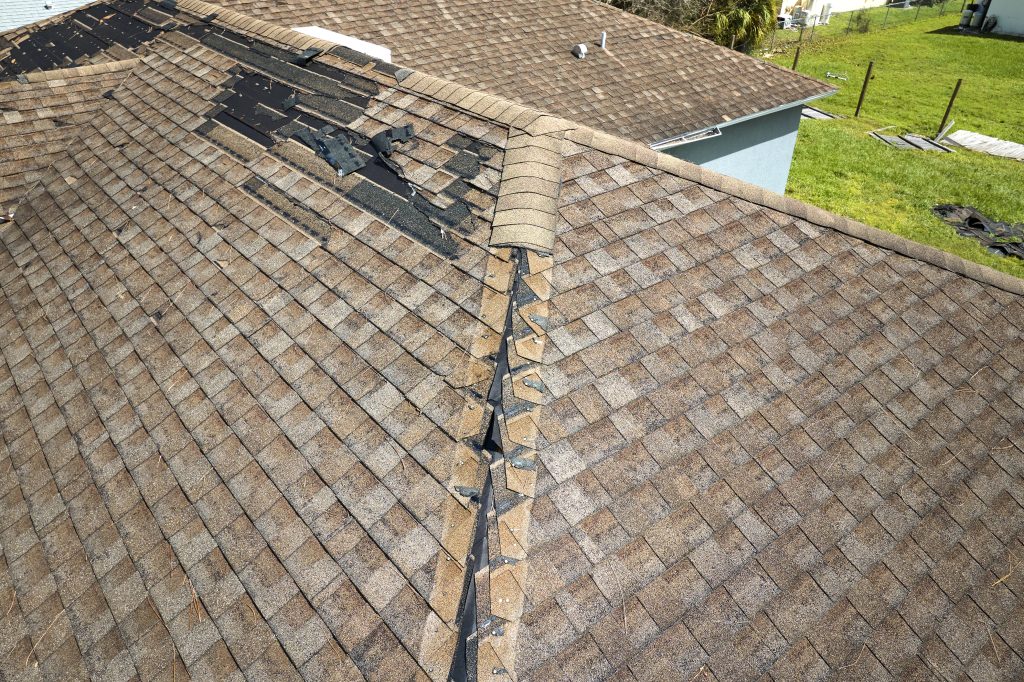
A home with damaged shingles displaying one of the main signs you need a new roof

Step 2: Document the Damage Before Anything Else

Before the adjuster inspection, document every detail of the damage yourself. Take clear photos and videos of missing shingles, hail damage evidence, and any further damage to gutters, flashing, or siding. This visual inspection creates a starting point that is entirely in your control.

A detailed report of the types of damage you find will also help if there is ever a dispute about the cause of the damage. Insurance estimates that come in low are often challenged successfully with homeowner-provided documentation.

Step 3: Get a Professional Roof Inspection

One of the most important steps in the claims process is hiring a reputable roofing company to conduct a professional roof inspection before your insurance adjuster arrives. An experienced roofing company will identify types of roof damage that an insurance adjuster might overlook or minimize.

Ask for a written report that covers:

  • All areas of storm damage, including hail damage and wind damage
  • An itemized breakdown of repair costs and full replacement costs
  • A professional opinion on whether you need a full roof replacement or a roof repair

Having this documentation in hand before the adjuster inspection gives you a professional opinion to compare against the insurance company’s assessment. This is a strategic decision that puts you ahead of the insurance claim process.

Step 4: File Your Roof Insurance Claim

Once you have your documentation and inspection report in hand, it is time to file your roof insurance claim. Contact your insurance agent or insurance provider directly and report the damage as promptly as possible. Delays can be used to argue that further damage resulted from failure to make temporary repairs, so acting quickly works in your favor.

When filing, be specific about:

  • The date and type of damage, whether wind damage, hail damage, or another covered peril
  • The areas of the roof affected, supported by your photos and the roofing expert’s report
  • Any temporary repairs you made to prevent further damage to your home

Keep a written record of every conversation with your insurance agent throughout the insurance process.

Step 5: How to Negotiate Roof Replacement with Insurance

Once the adjuster has completed their inspection and you have received an initial offer, the real negotiation process begins. Here is exactly what to do.

Don’t Accept the First Offer

The first offer from an insurance company is rarely the final settlement. If the insurance adjuster’s assessment undervalues the damage or denies a full replacement on a roof with significant damage, you have every right to push back.

  • Request a second inspection if you believe the initial assessment missed damage
  • Submit your roofing expert’s detailed report as a formal request for reconsideration
  • Reference the specific terms in your homeowners’ insurance policy that support a full replacement

Insurance companies are not always acting in bad faith, but their adjusters cover many properties quickly. A closer look backed by solid documentation from a trusted contractor often changes the outcome.

When to Hire a Public Adjuster

If your roof replacement insurance claim has been denied or significantly underpaid, hiring a public adjuster is a good idea. A public adjuster works on your behalf rather than for the insurance provider, advocating for a fair settlement. They understand the insurance process, know how to read the fine print, and have experience handling a denied claim.

Be cautious of storm chasers, out-of-state roofing companies that appear after major weather events, promising to manage your roof claim. Always work with a local, professional roofing contractor who has a track record in your community.

Step 6: Handle a Denied or Underpaid Claim

Knowing the common reasons for denial helps you avoid them and respond effectively:

  • Damage attributed to routine maintenance or an old roof rather than a covered peril
  • Lack of documentation showing the cause of the damage
  • Missing shingles or hail claims that predate the reported storm
  • Policy exclusions tied to code upgrade coverage or specific terms in your coverage

If your claim is denied, request a written explanation from your insurance agent and compare it carefully against your policy. Review your code upgrade coverage as well, since Indiana building codes may require upgrades during a full replacement that are not automatically included in standard homeowners’ insurance policies. With the right approach and a professional roofing contractor in your corner, a denied claim is not necessarily the end of the road.

Getting a fair settlement on a roof replacement insurance claim is absolutely possible with solid documentation, a clear understanding of your policy, and a professional roofing contractor in your corner. If you are dealing with storm damage or preparing for an adjuster inspection, Urban Shield Roofing offers free professional roof inspections and delivers estimates within 24 hours. 

Serving homeowners throughout Bloomington and Monroe County, Indiana, our team is ready to help you navigate the process from start to finish. Contact us today to get started.

]]>
5 Warning Signs You Need a New Roof in Bloomington, IN - Urban Shield Roofing /blog/signs-you-need-a-new-roof/ Tue, 10 Mar 2026 14:41:43 +0000 /?p=2713

Knowing the signs you need a new roof can save Bloomington homeowners thousands of dollars in expensive repairs down the road. Indiana’s weather is not kind to roofing material. From heavy rain in the spring to heavy snowfall in winter and high winds throughout the year, your home’s roof takes a beating every season. Small problems have a way of quietly becoming larger issues, and early detection is always the best defense against serious damage and full roof replacement costs.

If your roof is already showing signs of wear, do not wait for a leaking roof or a sagging roof deck to force your hand. Here are five warning signs that your roof may need immediate attention.

Table of Contents

Recognizing the Signs You Need a New Roof

Not every problem requires a full roof replacement, but some warning signs point clearly toward one. Understanding the difference between minor leaks and extensive damage starts with a closer look at the most vulnerable parts of your roof, including roof valleys, flashing, and the underlying structure. 

If you live in an older home with an asphalt shingle roof approaching the end of its 20–25 year lifespan, regular roof inspections become even more critical. The importance of professional roof inspections grows significantly as your roof ages, since problems in older roofing material can develop faster and spread further before they become visible from the ground.

1. Water Stains and Active Roof Leaks

Water stains on your ceiling or walls are among the most obvious signs that something is wrong above. A leaking roof rarely fixes itself. Left unaddressed, water infiltration works its way into the underlying structure, leading to wood rot, damp insulation, and the growth of mold that can spread well beyond the original point of water intrusion.

What to Look for in Your Attic

Your attic is one of the best places to catch warning signs before they become visible in your living space. During a thorough inspection, look for:

  • Damp insulation or wet roof boards along the decking
  • Mold growth spreading across rafters or sheathing
  • Streaks of daylight visible through the roof surface
  • Water stains or discoloration near vents, chimneys, or flashing

The risk of long-term water damage is significant when water infiltration goes undetected for an extended period. Proper attic ventilation also plays a direct role in the life of your roof. When warm air cannot escape, moisture builds up and accelerates deterioration from the inside out, compounding potential damage well before it is visible to the naked eye.

2. Missing, Curling, or Bald Shingles

Asphalt shingles are designed to protect your home, but they do not last forever. When the roof’s shingles begin to curl, crack, or develop a bald spot where granules have worn away, your roofing material can no longer perform as intended. Missing shingles leave sections of the entire roof exposed to further damage with every passing storm.

Look for these telltale signs during a ground-level visual check:

  • Shingles curling at the edges or buckling in the center
  • Bald spots or heavy granule loss visible from the yard
  • Shingle debris collecting in gutters after heavy rain
  • Missing shingles following high winds or severe weather

For asphalt shingle roofs, widespread granule loss is a clear signal that the roof is nearing the end of its useful life. New shingles may address isolated damage, but when the pattern of deterioration is consistent across the roof’s surface, a full replacement is typically the best course of action.

3. A Sagging Roof Deck

A sagging roof deck is one of the unmistakable signs of structural damage that demands immediate attention. Sagging typically indicates that the roof boards underneath have been weakened by long-term moisture exposure, wood rot, or excessive weight from heavy snowfall. A compromised roof in this condition is a safety concern that goes well beyond what roof cement or a spot repair can address.

If you notice any dipping or sagging along the roofline, at the ridge, or anywhere across the roof’s surface, a professional assessment is essential. Waiting only increases the extent of the damage and the cost of the eventual roof repair or full roof replacement.

4. A Sudden Increase in Energy Bills

A sudden increase in your energy bills can point directly to a problem with your roof that is easy to overlook. When the roof’s integrity has been compromised, cold air and warm air escape more freely, forcing your HVAC system to work harder to maintain a comfortable temperature throughout your home.

Damp insulation caused by minor leaks and poor attic ventilation are among the most common culprits. A solid roof is a critical part of your home’s energy efficiency, and when it begins to fail, your utility bills often reflect it before visible signs of damage appear inside or outside the home.

5. Dark Streaks, Algae Growth, and Moss

Dark streaks running down your roof are typically caused by algae growth, a common issue in Indiana’s humid climate. While algae alone does not always indicate serious damage, it signals that moisture is sitting on the roof’s surface longer than it should. Left unchecked, moss and algae can lift shingles, compromise proper drainage, and accelerate the deterioration of your roofing material over time.

Environmental factors like shade and persistent moisture contribute to algae and moss development, particularly at the roof’s lowest points. Mold growth can follow, moving from the exterior surface into the underlying structure if ignored. Regular inspections catch this type of damage early, before it leads to costly roof repairs or compromises the integrity of your roof entirely.

When to Repair and When to Replace

Not every issue calls for a full roof replacement. A professional assessment helps determine whether small issues like isolated missing shingles or minor leaks can be resolved with targeted roof repair, or whether the roof’s condition warrants a full replacement. The best way to make that determination is with a thorough inspection by an experienced roofing contractor who can evaluate the full scope of the damage.

Early detection protects your investment. Addressing potential damage before it escalates into extensive damage is always more cost-effective in the long run than waiting for bigger problems to develop.

Learn more about when to repair or replace your roof here: Roof Repair vs Replacement: How to Decide What’s Right

Ready to Protect Your Bloomington Home?

If your home is showing any of these warning signs, do not put it off. Urban Shield Roofing offers free roof inspections with no-obligation estimates returned within 24 hours. Our team serves homeowners across Bloomington, Monroe County, and the surrounding area. Contact Urban Shield Roofing today to schedule your inspection and get ahead of any damage before it gets ahead of you.

]]>